Repair, Not Overdo: A Barrier-Friendly Routine for Sensitive Skin
Instead of piling on actives, treat skin as a system that needs a lighter load and a rebuilt barrier.

The rise of “ingredient-first” thinking led many people to jump straight into acids, brighteners or retinoids. For sensitive skin, the bigger issue is often that the barrier is barely holding. Adding stronger actives stacks the irritation: more redness, tightness, stinging — sometimes even reacting to products that used to feel fine.
This guide walks through common triggers, a subtraction-first routine, and clean, barrier-supportive basics so you can see stability improve over 4–8 weeks. Two mini modules at the end give you an 8-week tracking plan and flags that mean “see a doctor soon” instead of self-experimenting.
01 Spot the habits that drain your barrier
A lot of sensitivity is self-inflicted by daily habits. Check these common culprits first:
- Frequently swapping cleansers/toners just because you’re “bored”.
- Stacking multiple actives in the same window (e.g., acids + retinoids + high‑dose vitamin C).
- Over-cleansing with frequent clay/peel masks.
- Inconsistent sunscreen, leaving skin exposed to strong sun.
02 Do a subtraction routine: three steps are enough
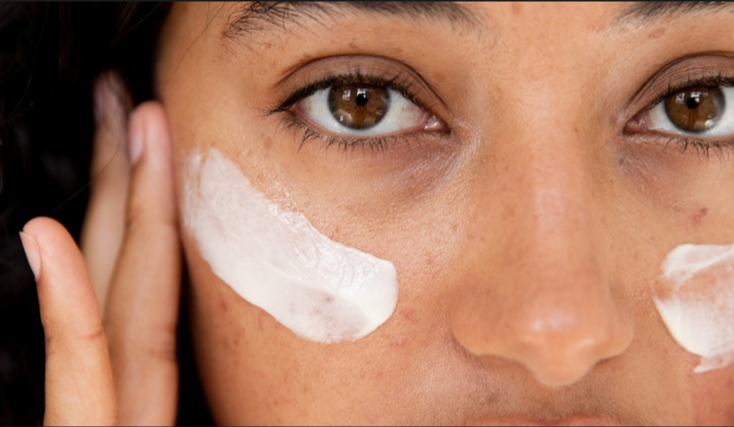
When the barrier is clearly compromised, NovaNest suggests shrinking daily care to three steps: gentle cleanse, moisturise, protect with sunscreen. Pause exfoliation, brightening, and wrinkle actives for now.
- Cleanse: mild surfactants, ~30 seconds, gentle motion.
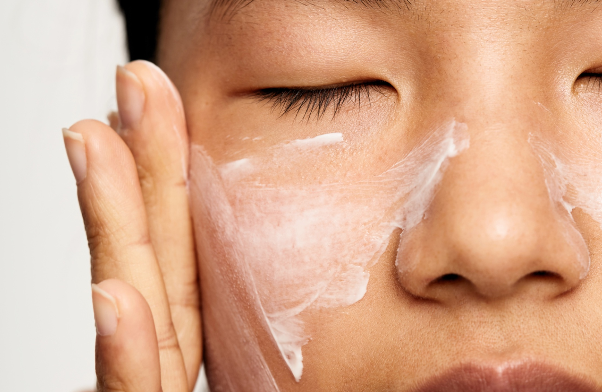
- Moisturise: prioritise ceramides/cholesterol/fatty acids; avoid heavy fragrance or colourants.
- Protect: wear sunscreen daily; reapply as needed based on light exposure, even indoors.
03 Ingredient checklist: what matters (and what doesn’t)
For sensitive skin, the priority is the formula’s overall gentleness, not one star ingredient. We look at surfactant system, moisture “scaffold” and preservative balance, plus real-world feel: does it clog easily, pill, or fight with makeup?
On the product page we list a few “barely-there” basics for different skin types and budgets. See Sensitive-Skin Barrier-Friendly Starter Trio for ingredients and routine order.

Keep textures simple and predictable: if a product consistently absorbs without pilling or sting, it’s usually a better long-term teammate than a “miracle” formula you can’t rely on daily.
04 Mini module: how to track 4–8 weeks
Barrier repair isn’t instant; 4–8 weeks is realistic. Each week, briefly log:
- Any stinging/redness and the context (after cleansing, before going out, after sunscreen?).
- How soon tightness appears after cleansing (is that interval getting longer?).
- Whether makeup applies easier and if skin still feels “stripped” after removal.
With notes, you can tell if a change helps instead of guessing from memory.
05 Mini module: signals to see a dermatologist
Stop self-experimenting and seek medical help if you notice:
- Persistent widespread redness/swelling or oozing, with pain or intense itch.
- No improvement after 4–8 weeks of strict subtraction care.
- Systemic signs like dizziness or breathing discomfort that suggest an allergic reaction.
Think of self-care as support, not a substitute for professional treatment; it’s safer to split what you can do vs. what a doctor should handle.